
When reporting on cryptocurrency, the mainstream media often focuses on price drops relating to USD. But a human rights activist reminds the general public that Bitcoin is not another commodity or stock on the market, rather, a tool for liberation.
Bitcoin is a Tool for Freedom, Not Speculation
Alex Gladstein, Chief Strategy Officer at the Human Rights Foundation, has published an article titled ”Why Bitcoin Matters for Freedom” in Time Magazine. In it he explains how cryptocurrency can help people retake control of their lives from oppressive regimes.
“Speculation, fraud, and greed in the cryptocurrency and blockchain industry have overshadowed the real, liberating potential of Satoshi Nakamoto’s invention,” writes Gladstein.
“For people living under authoritarian governments, Bitcoin can be a valuable financial tool as a censorship-resistant medium of exchange.”
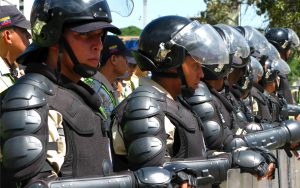
The article focuses on the current situation in Venezuela as the prime example of its thesis. It details how Venezuelans are using Bitcoin to evade runaway hyperinflation and harsh capital controls.
It also shows how after greatly devaluing citizens’ savings, the Maduro regime is using the banking system to confiscate much of the money sent from abroad by people that want to help their families back home.
Taking Bitcoin From 40 Million Users to 4 Billion

Beyond Venezuela, the article notes how Bitcoin can help citizens suffering from inflation in Zimbabwe, those who want to avoid mass surveillance in China, NGOs that have their bank accounts frozen in Russia, and refugees without access to basic banking services.
It also explains that cash fiat is used without government permission, but can be made virtually useless by hyperinflation and that many countries are moving to become cashless societies – thus strengthening the need for cryptocurrency.
“Less than 1% of the world’s population — no more than 40 million people — have ever used Bitcoin. But, according to the Human Rights Foundation, more than 50% of the world’s population lives under an authoritarian regime,” writes Gladstein.
“If we invest the time and resources to develop user-friendly wallets, more exchanges, and better educational materials for Bitcoin, it has the potential to make a real difference for the 4 billion people who can’t trust their rulers or who can’t access the banking system. For them, Bitcoin can be a way out.”
When will we see widespread Bitcoin adoption by people living under authoritarian regimes? Share your thoughts in the comments section below.
Previous Articles:
- Court Says Bithumb Doesn’t Have To Compensate User For Crypto Stolen In Exchange Hack
- Were The WEX Exchange Admins FSB/CIA Double Agents?
- Bitfinex Schedules Exchange Downtime, Koinex Adds New Security Features
- $15 Million In Bitcoin And Ether Allegedly Mined By Electricity Thief
- Italy Announces 30 Experts to Lead National Blockchain Strategy

